
Can you reheat scrambled eggs nicely? Yes, you can reheat scrambled eggs safely and maintain reasonable quality if handled correctly. Food safety guidance in the UK advises that cooked eggs must be cooled promptly, refrigerated within two hours, and reheated only once until they are steaming hot throughout.
Quick Overview
Can you reheat scrambled eggs nicely? You can reheat scrambled eggs safely if they have been cooked properly, cooled within two hours, and stored in the fridge at 0–5°C for no more than 48 hours. Always reheat them only once and ensure they are steaming hot throughout before eating.
Whether you’re reheating plain scrambled eggs, scrambled eggs with cottage cheese, or larger batch-prepared portions, this guide covers:
✅ Safe storage and refrigeration practices
✅ How to avoid common scrambled egg reheating mistakes
✅ Why scrambled eggs should only be reheated once
✅ The best methods for stovetop, microwave, oven, air fryer, and sous vide reheating
✅ How to identify unsafe leftover scrambled eggs
From a food safety perspective, proper storage is essential. Eggs that have been left at room temperature for too long or stored beyond a safe timeframe should not be reheated or consumed. Fridge temperature and overall freshness play a key role in determining whether reheating is safe.
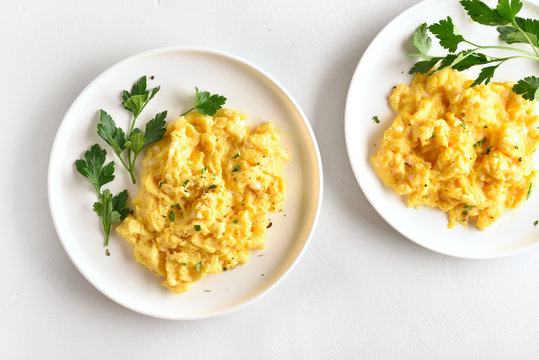
In terms of quality, the reheating method makes a noticeable difference rather than affecting safety alone. A frying pan generally produces the best texture, helping to retain softness. A microwave is the quickest option, though it may slightly alter the texture. Alternatively, an oven or air fryer can be used for more even reheating, while sous vide offers a particularly gentle method that helps preserve moisture.
What Food-Safety Guidance Says About Reheating Eggs
According to established food-safety guidance, scrambled eggs are treated in the same way as other cooked leftovers. They can be safely eaten later provided they have been cooked thoroughly, cooled promptly, and stored correctly in a refrigerated environment.
From a food safety and hygiene perspective, the key rules are straightforward:
- Refrigerate leftovers within one to two hours of cooking.
- Keep the fridge temperature between 0°C and 5°C.
- Consume refrigerated leftovers within 48 hours, or freeze them if storing longer.
- Reheat food only once.
- Ensure the food is steaming hot throughout before eating.
- Discard food if its storage history is uncertain.
It is important to understand that reheating does not make unsafe food safe again. Eggs left out on a breakfast table for several hours, or forgotten on a worktop overnight, should not be refrigerated and reheated later.
Smell and appearance are not reliable indicators of safety on their own, as food can still look normal even after being stored outside safe temperature control for too long.
From a practical consumer perspective, a common question is: can you reheat scrambled eggs can you reheat scrambled eggs in the microwave nicely. When eggs have been stored correctly under refrigeration, they can be reheated in the microwave safely, provided they are heated evenly until piping hot and not left standing at room temperature beforehand.
Overall, food safety authorities consistently emphasise that correct storage and thorough reheating are both essential to reduce the risk of foodborne illness when consuming leftover eggs.
Essential Storage Rules
Safe reheating begins immediately after the original meal. Storing scrambled eggs correctly also helps preserve texture by reducing moisture loss and limiting absorption of odours from other foods.
Cool and Chill Promptly
Transfer leftover scrambled eggs from the hot frying pan into a clean, shallow container. A shallow layer allows heat to dissipate more quickly and evenly than a deep container.
For larger quantities, divide the eggs into smaller portions. This helps them cool faster and allows you to reheat a single serving without repeatedly warming the entire batch.
Place the container in the fridge within one to two hours of cooking. Do not leave eggs out at room temperature until they feel fully cool if doing so would exceed this time limit.
Cover the container to protect the eggs from contamination and strong fridge odours. Store them in the main body of the fridge rather than the door, where temperatures fluctuate more frequently.
Fridge Lifespan
Properly cooled scrambled eggs should generally be eaten within 48 hours.
Using them the next day is often the safest and most practical option. It keeps storage well within recommended limits and typically results in better texture compared with waiting until the end of the second day.
Always calculate storage time from when the eggs were cooked, not just the calendar date. For example, scrambled eggs prepared at 7 a.m. on Monday may already exceed safe storage limits by Wednesday lunchtime.
Label containers with the cooking date and time to reduce confusion, particularly when preparing multiple meals in advance.
A common consumer question is can you reheat scrambled eggs, and can you reheat scrambled eggs in the microwave nicely? When eggs have been stored correctly under refrigeration, they can be safely reheated in the microwave, provided they are heated evenly until steaming hot throughout.
Freezer Lifespan
Scrambled eggs can be frozen if they will not be eaten within 48 hours. Freezing helps reduce food waste, although the texture may become softer, slightly grainier, or more watery after defrosting.
Allow the eggs to cool quickly before placing them in airtight, freezer-safe containers. Dividing them into individual portions is more practical than freezing one large batch.
Label each container clearly with the date. For best quality, use frozen scrambled eggs within one to two months rather than storing them indefinitely.
Defrost eggs fully in the fridge before reheating. A microwave defrost setting may also be used if the eggs will be reheated and consumed immediately afterwards.
Do not thaw frozen eggs at room temperature on the kitchen worktop. Once defrosted, reheat them promptly until they are steaming hot throughout.
Reheat Only Once
Cooked scrambled eggs should only be reheated once.
If the container contains multiple servings, remove only the portion you need and return the remainder to the fridge immediately. Do not reheat the entire batch and then refrigerate leftovers again.
Repeated reheating and cooling increases the risk of unsafe handling and also negatively affects texture, making scrambled eggs dry or rubbery.
Once a portion has been reheated, it should be eaten immediately. Any leftover reheated food should be discarded rather than stored for later use.
Key Rules for Reheating Scrambled Eggs
Three key checks determine whether reheated scrambled eggs are both safe and enjoyable: adequate internal heat, correct storage duration, and careful temperature control. A common question in home food safety is can you reheat scrambled eggs, and more specifically, can you reheat scrambled eggs the next day, provided they have been stored correctly.
Put Safety First
The eggs must be steaming hot throughout, including the centre of the thickest portions. This is essential when considering can you reheat scrambled eggs safely at home.
Refrigerated scrambled eggs often form dense clumps. Break these apart before reheating so that heat can penetrate evenly.
Stirring is particularly important when using a microwave. One area may become very hot while another remains cool. Stir between heating intervals and always check the centre before serving.

Do not rely solely on suggested cooking times. Appliance power, portion size, container shape, and starting temperature all influence reheating speed and safety.
Check the Shelf Life First
Before reheating, it is important to assess whether the food is still safe. This is especially relevant when asking can you reheat scrambled eggs the next day, as timing and storage conditions are critical.
Ask the following questions:
- When were the eggs cooked?
- Were they refrigerated within two hours?
- Has the fridge been consistently between 0°C and 5°C?
- Are they still within the 48-hour storage window?
- Have they already been reheated once?
- Do they contain any added ingredients that may have shorter shelf lives?
If you cannot confidently answer these questions, it is safer to discard the eggs rather than risk foodborne illness. From a food safety perspective, uncertainty is a valid reason to avoid reheating.
Avoid Overcooking
Scrambled eggs become rubbery when proteins tighten due to excessive heat. Even when considering can you reheat scrambled eggs the next day, reheating must still be controlled and not rushed.
Use low or moderate heat and check the eggs frequently. Stop heating as soon as the entire portion is steaming hot.
A small amount of milk, water, or melted butter can help restore moisture if needed. However, avoid over-adding liquid, especially if the eggs already contain ingredients such as vegetables, cream, or soft cheese.
Serve immediately after reheating. Leaving scrambled eggs in a hot pan, oven, or covered dish will continue cooking them and may negatively affect both texture and safety.
Reheating Methods
| Method | Best suited to | Main advantage |
| Stovetop | One or two servings | Best texture and heat control |
| Microwave | A quick individual portion | Fastest method |
| Sous vide | Delicate, soft scrambled eggs | Gentle and even heating |
| Oven | Several portions | Practical for a larger batch |
| Air fryer | A small heat-safe dish | Convenient when already in use |
| Crock pot | Holding already-hot eggs | Useful for group serving |
All timings below are approximate. The eggs are ready only when they are steaming hot throughout.
Stovetop: Best for Texture
The stovetop is generally the best method for reheating scrambled eggs because it allows full control over heat and continuous movement of the food. This helps prevent dry edges while ensuring the centre heats properly. Many people ask can you reheat scrambled eggs, and the stovetop method is often considered the most reliable for maintaining both safety and texture.
How to Reheat Scrambled Eggs on the Stovetop
- Take one portion from the fridge.
- Break apart any large clumps.
- Place a non-stick pan over low to medium-low heat.
- Add a small knob of butter or a teaspoon of water or milk.
- Spread the eggs evenly across the pan.
- Stir gently every few seconds.
- Turn thicker pieces so their centres heat through properly.
- Continue until the eggs are steaming hot throughout.
- Transfer immediately to a plate and serve.
A single serving typically takes around three to five minutes. Larger portions will require additional time.
Avoid high heat, as this can cause the outside to become dry or browned while the centre remains insufficiently heated.
The stovetop method is also useful when reheating scrambled eggs containing vegetables, soft cheese, or dairy such as cottage cheese. In fact, can you reheat scrambled eggs with cottage cheese is a common question, and this method helps maintain moisture while ensuring even heating.
Microwave: Fastest Method
Many people also ask can you reheat scrambled eggs in the microwave, and the answer is yes. It is usually the quickest option for a single portion, although it requires careful attention to avoid uneven heating.
How to Reheat Scrambled Eggs in the Microwave
- Place the eggs in a microwave-safe bowl and break up any dense clumps.
- Add a teaspoon of water or milk if the eggs appear dry.
- Cover loosely with a microwave-safe lid or plate to retain moisture while allowing steam to escape.
- Heat at medium power for 20 to 30 seconds.
- Remove and stir thoroughly.
- Repeat in short intervals until the eggs are steaming hot throughout.
- Allow a brief standing time, then stir again and check the centre before eating.
A small portion may take under one minute, while larger servings may require up to two minutes or more. Microwave wattages vary, so timings are always approximate.
Medium power is generally recommended, as it allows more even heat distribution and reduces the risk of rubbery texture compared with high power.
When considering can you reheat scrambled eggs in the microwave the next day, it is safe provided the eggs were refrigerated within two hours of cooking and kept consistently at 0°C to 5°C.
Eggs left at room temperature overnight should always be discarded. Microwaving does not make unsafe food safe again.
Sous Vide: Gentlest Method
Sous vide reheating uses a controlled water bath to warm scrambled eggs slowly and evenly. This method is often recommended in food preparation guidance when considering can you reheat scrambled eggs, as it provides consistent, low-risk heating when done correctly.
Place the cold scrambled eggs in a suitable heat-safe sous vide pouch. Flatten them into an even layer, remove excess air, and seal the pouch securely.
Follow the manufacturer’s temperature and time guidance. The eggs typically take around 15 to 25 minutes to reheat, depending on portion thickness and equipment settings.
Once heated, remove the pouch carefully and transfer the eggs to a clean dish. Stir thoroughly and confirm that they are steaming hot throughout before serving.
Sous vide can help preserve a softer texture compared with dry-heat methods. However, for small portions, the setup may not be practical for everyday use.
Never use a standard plastic bag unless it is explicitly designed and rated for hot food preparation.
Can You Reheat Scrambled Eggs in the Oven?
Yes, you can reheat scrambled eggs in the oven, and this method is particularly useful when serving multiple portions at the same time. It is also relevant when considering can you reheat scrambled eggs in the oven, especially for batch preparation or family meals.
Preheat the oven to approximately 160°C to 180°C.
Spread the scrambled eggs evenly in a shallow ovenproof dish. If they appear dry, add a small splash of milk or water to help maintain moisture. Cover the dish loosely with foil or an oven-safe lid to reduce drying during reheating.
Heat for around 10 to 20 minutes, stirring halfway through to ensure even warming. Always check the centre and thickest areas carefully.
Remove the dish once the eggs are steaming hot throughout. Leaving them in the oven after this point can cause them to become firm and overcooked due to residual heat.
For single portions, faster methods such as the stovetop or microwave are usually more efficient.
Can You Reheat Scrambled Eggs in the Microwave the Next Day?
A common food safety question is can you reheat scrambled eggs in the microwave the next day. The answer is yes, provided the eggs were refrigerated within two hours of cooking and stored continuously at 0°C to 5°C.
Microwave reheating should always be done in short intervals with regular stirring to prevent cold spots.
Eggs left at room temperature overnight must be discarded. Microwave heating does not make unsafe food safe again, and food safety standards consistently warn against relying on reheating to correct improper storage.
Can You Reheat Scrambled Eggs in the Air Fryer?
Yes, you can reheat scrambled eggs in the air fryer, but only when they are placed in a suitable heat-safe dish. Loose scrambled eggs should never be placed directly into the basket.

Set the air fryer to approximately 150°C to 160°C.
Transfer the eggs into a small oven-safe or air-fryer-safe container. Add a teaspoon of water or milk if needed to help prevent dryness.
Cover loosely with foil only if the appliance manufacturer allows it, ensuring the foil cannot lift towards the heating element.
Heat for a few minutes, then remove and stir. Continue reheating in short intervals until the eggs are steaming hot throughout.
A small portion may take around five to eight minutes, although times vary between appliances.
Because air fryers circulate hot, dry air, uncovered eggs can become firm quickly. This method is convenient when the appliance is already in use but is generally less reliable than stovetop or microwave reheating.
Can You Reheat Scrambled Eggs in a Crock Pot?
A crock pot or slow cooker is not recommended for reheating refrigerated scrambled eggs.
Slow cookers heat food gradually, which may allow eggs to remain in the temperature “danger zone” for too long before becoming fully hot. This increases food safety risks and may also result in uneven texture.
For safe reheating, use a frying pan, microwave, or oven instead.
However, a crock pot can be used to keep scrambled eggs warm after they have already been fully reheated to a steaming hot temperature. This is suitable for buffets or group breakfasts.
In such cases, preheat the slow cooker, transfer the hot eggs, and follow the manufacturer’s guidance for hot holding. Stir occasionally and avoid keeping them warm for extended periods.
Can You Reheat Scrambled Eggs the Next Day?
Yes, you can reheat scrambled eggs the next day when they have been refrigerated promptly after cooking and kept continuously at a safe chilled temperature.
When considering can you reheat scrambled eggs, it is important to remove them from the fridge just before reheating rather than leaving them at room temperature to warm up.
Break apart any thick or compacted pieces before heating to ensure even temperature distribution.
Choose the stovetop if maintaining texture is important, or the microwave if speed is the priority. In both cases, heat until the entire portion is steaming hot throughout.
The next-day rule only applies when the eggs have been correctly refrigerated. Eggs left out overnight at room temperature should always be discarded, regardless of reheating.
Can You Reheat Scrambled Eggs from the Fridge?
Yes, you can reheat scrambled eggs from the fridge safely, and in fact this is the recommended approach when considering can you reheat scrambled eggs from the fridge as part of proper food handling practice. (food.gov.uk)
Keeping eggs refrigerated until the moment of reheating reduces the time spent in the temperature “danger zone” and helps maintain food safety standards.
Cold eggs may take slightly longer to heat through. To ensure even reheating, spread them into a thin layer and break up any compacted portions so heat can reach the centre properly.
If you have stored a large batch, only remove the portion you intend to eat and keep the remainder refrigerated.
Can You Reheat Scrambled Eggs with Cottage Cheese?
Yes, you can reheat scrambled eggs with cottage cheese when they have been cooled promptly and stored correctly in the fridge.
Cottage cheese helps retain moisture, which can improve texture when reheating. However, its whey may separate during heating, sometimes making the mixture appear slightly watery. This is a normal food behaviour and does not necessarily indicate spoilage.
A non-stick pan over low to medium-low heat is generally the best method. Stir gently and continuously until the eggs are steaming hot throughout.
The microwave is also suitable. Use short heating intervals and stir between each round to ensure even heating and reduce hot or cold spots.
Avoid automatically adding extra liquid, as cottage cheese often already provides sufficient moisture.
From a food safety perspective, always check the use-by date of the cottage cheese as well. If it was close to expiry when added, follow the shortest safe storage timeframe for the combined dish rather than assuming the full 48-hour window applies.
Can You Reheat Scrambled Eggs for a Baby?
Yes, you can reheat scrambled eggs for a baby, provided strict hygiene, safe storage, and careful temperature control are followed. When considering can you reheat scrambled eggs for baby, food safety is especially important because infants are more vulnerable to foodborne illness.
Eggs can generally be introduced from around six months of age as part of complementary feeding. Because egg is a common allergen, it should be introduced in small amounts and not alongside several new allergenic foods at the same time.
A key question many parents ask is can you reheat scrambled eggs, and in the case of infants, the answer depends entirely on safe preparation and correct storage.
Store the Baby’s Portion Separately
Set aside the baby’s portion before serving the main meal. Place it in a clean, covered container and refrigerate it within two hours of cooking.
Using the portion the following day is generally the safest and most practical option when considering can you reheat scrambled eggs for baby, as it keeps storage within recommended limits.
Do not reuse food that has already been fed to a baby. Once a spoon has entered the baby’s mouth, saliva can introduce bacteria into the food.
Always serve a small amount first and only add more from the untouched container if needed.
Reheat Thoroughly, Then Cool
Reheat the scrambled eggs until they are steaming hot throughout. Stir carefully after microwave heating to remove any hot or cold spots.
This step is essential when assessing can you reheat scrambled eggs, especially for infants, where even small temperature inconsistencies matter.
After reheating, allow the food to cool to a safe, comfortable eating temperature. Stir again and always test the temperature before feeding the baby.
The eggs must be thoroughly heated during reheating, but they should never be served while still very hot.
Avoid adding salt or seasoning. For early weaning, freshly prepared egg is often the safest option when introducing foods for the first time.
Seek advice from a healthcare professional if the baby has known food allergies, severe eczema, or a previous reaction to egg.
However, when considering can you reheat scrambled eggs in the oven, it may be suitable for reheating larger family batches.
Preheat the oven to around 160°C to 180°C and place the eggs in a shallow oven-safe dish. Cover loosely with foil to help prevent drying.
Heat until the eggs are steaming hot throughout, stirring halfway if appropriate for the dish.
After reheating, always allow the food to cool properly before serving to a baby. Oven heating can retain heat for longer, so careful temperature checking is essential.
Common Reheating Mistakes
Leaving the Eggs in the Hot Pan
A warm pan continues cooking the eggs and slows safe cooling. Always transfer leftovers into a shallow container quickly.
Reheating on Maximum Heat
High heat can dry the outside while the centre remains cold. Moderate heat is safer and more even.
Heating the Whole Batch
Only reheat the portion needed. Repeated reheating increases safety risks and reduces quality.
Forgetting to Stir
Stirring helps distribute heat evenly and removes cold spots, especially in microwave reheating.
Adding Too Much Liquid
A small amount of moisture may help, but too much can make the texture watery and unappealing.
Trusting Smell Alone
Smell is not a reliable safety test. Food can appear normal yet still be unsafe if poorly stored.
Treating Timings as Guarantees
Reheating times are only estimates. Always confirm the centre is steaming hot before serving.
Frequently Asked Questions
What is the safest way to reheat scrambled eggs?
Any suitable method can be safe provided the scrambled eggs are reheated until steaming hot throughout. When considering can you reheat scrambled eggs, the key safety factor is not the method itself but ensuring even and thorough reheating. The stovetop is often preferred as it allows better control over heat and texture.
How long can scrambled eggs stay in the fridge?
Properly cooled scrambled eggs should generally be eaten within 48 hours or frozen for later use. This guideline is essential when evaluating can you reheat scrambled eggs, as safe reheating depends entirely on correct storage conditions.
Can scrambled eggs be reheated twice?
No. Scrambled eggs should only be reheated once. Repeated reheating increases the risk of bacterial growth and negatively affects texture and safety.
Can scrambled eggs be eaten cold?
Yes, scrambled eggs can be eaten cold if they were cooked properly, cooled within two hours, and kept continuously refrigerated within the recommended storage period.
Why are my reheated scrambled eggs watery?
Moisture separation is common during cooling and reheating. Egg proteins release water as they change temperature. Ingredients such as milk, vegetables, and soft cheeses can increase this effect.
Can takeaway scrambled eggs be reheated?
Only if you are confident they were cooled promptly and stored correctly under refrigeration. If the storage history is unclear, food safety guidance advises against keeping or reheating them.

Final Thoughts
Can you reheat scrambled eggs? Yes. UK food safety guidance supports reheating properly stored cooked eggs, provided they are handled correctly and heated thoroughly until steaming hot throughout.
Cool scrambled eggs promptly after cooking, refrigerate them within two hours, and consume them within 48 hours. Freeze them if they will not be used in time.
When considering can you reheat scrambled eggs in the oven, this method is suitable for larger portions, as long as the eggs are evenly spread in a shallow dish, covered to retain moisture, and heated thoroughly before serving.
The stovetop generally provides the best texture, while the microwave is the fastest option. An oven suits larger batches, and an air fryer or sous vide method can also be used with care. A crock pot is more appropriate for keeping already-heated eggs warm rather than reheating them from chilled.
For babies, always reheat eggs thoroughly, stir carefully to remove hot spots, and allow them to cool before serving. Never reuse food that has already been partially eaten.
Dishcover Academy supports accessible learning that helps people build practical food safety knowledge for everyday life and professional environments.