
Zambian cuisine
“The best dishes are those cooked with love”
Description
Overview
Embark on a culinary journey with the Zambian cuisine course! Discover the rich and vibrant flavors that define this unique African cuisine, steeped in tradition and influenced by the country’s diverse cultures. From sadza to nsima, Zambian cuisine offers a wide array of dishes that celebrate the country’s history and agricultural heritage. If you’re someone looking to expand your cooking skills or explore the exciting world of African cuisine, this online Zambian cuisine course is perfect for you.
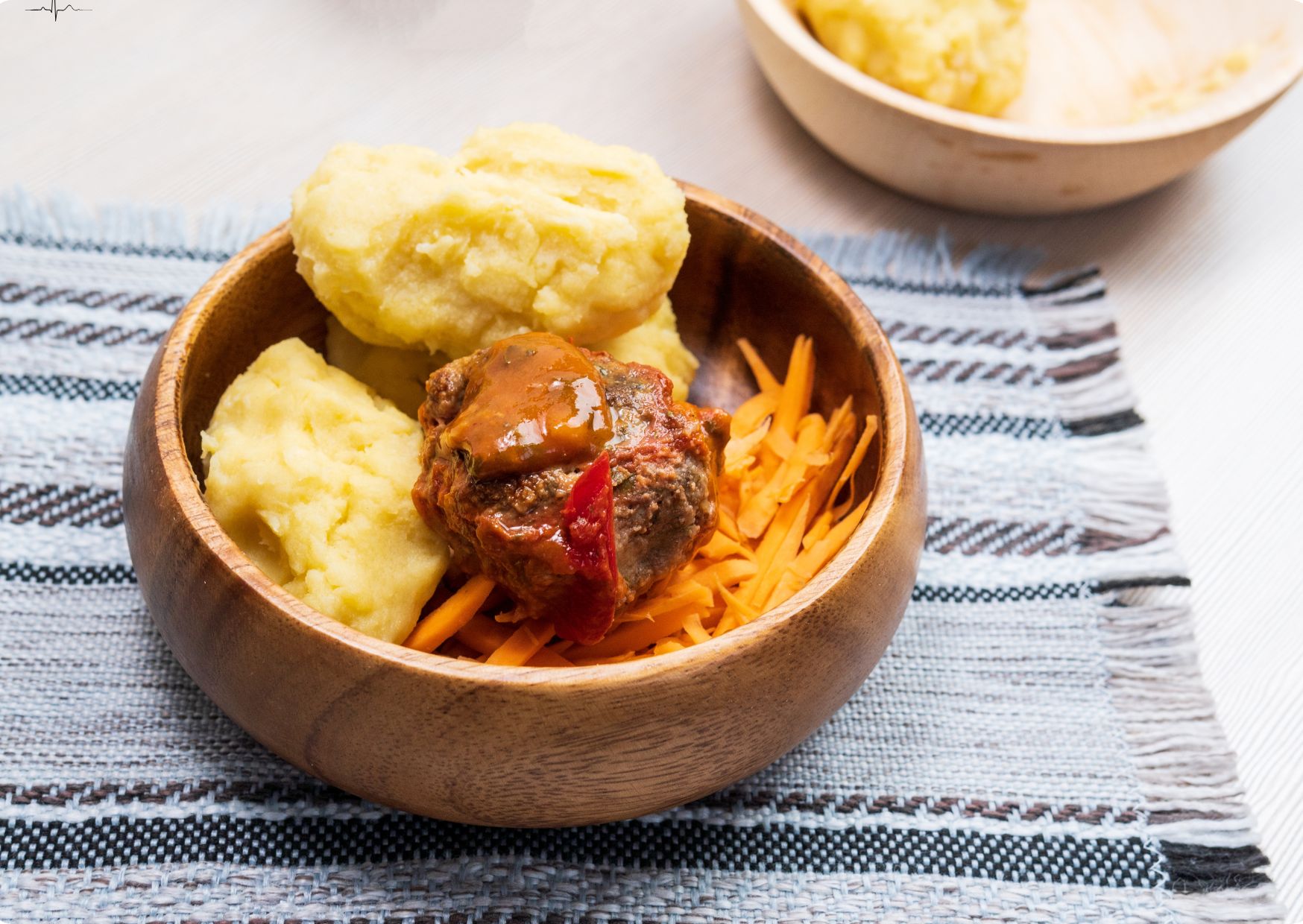
Zambian cuisine is characterized by its use of local, fresh ingredients, including maize, millet, yams, potatoes, and an assortment of greens. These ingredients come together to create dishes that are not only flavorful but also deeply tied to the Zambian way of life. In this course, you will learn to make some of the most beloved dishes in Zambia, including nsima (a maize meal dish), chikanda (a local dish made from wild orchid tubers), and foolproof stews like chicken with groundnut sauce.
Key Course Highlights:
- Hands-On Learning: Learn how to cook traditional Zambian dishes with step-by-step video tutorials, written recipes, and helpful tips.
- Cultural Understanding: Gain an understanding of the history and cultural significance behind Zambian meals. Explore the importance of ingredients like maize, yams, and fresh vegetables in the Zambian diet.
- Authentic Zambian Flavors: Master the flavors of Zambian cuisine with techniques that allow you to create authentic and mouthwatering dishes in your own kitchen.
- Global Culinary Exploration: Whether you’re based in the UK, US, or anywhere else, this course offers a fantastic opportunity to explore Zambian cooking traditions and bring them into your own home.
- Comprehensive Learning Materials: Access detailed recipes, video demonstrations, and course materials that will guide you through the preparation of iconic dishes.
Why should you take this course?
By enrolling in the best Zambian cuisine course, you’re not just learning how to cook; you’re gaining a deeper appreciation for the culinary traditions of Zambia. From learning how to prepare nsima (the staple starch) to making flavorful stews and delicious vegetarian options, this course equips you with the skills to confidently recreate Zambian dishes in your own kitchen. The course is designed to provide a fun, hands-on experience with an emphasis on cooking techniques, ingredients, and cultural insights.
Whether you’re an aspiring chef, an African cuisine enthusiast, or simply someone who loves to try new and exciting dishes, this online Zambian cuisine course is perfect for anyone looking to add flavor to their cooking repertoire.
Description
Why Should You Take the Zambian Cuisine Course?
Zambian cuisine is a blend of unique cooking techniques, indigenous ingredients, and vibrant flavors that are shaped by the country’s rich agricultural heritage and cultural diversity. From nsima, a thick maize-based porridge that serves as the centerpiece of many Zambian meals, to dishes like chikanda and chicken with groundnut sauce, this cuisine offers an exciting array of flavors that will spice up your culinary routine.
This Zambian cuisine course is designed to give you a deep understanding of the key elements of Zambian cooking. Through detailed video tutorials, written instructions, and cultural insights, you will learn how to prepare a wide range of dishes that are traditional to Zambia. You’ll gain hands-on experience cooking meals that are authentic, flavorful, and deeply rooted in Zambian traditions.
Zambian food has long been known for its emphasis on fresh, locally sourced ingredients. You’ll be introduced to staples like nsima, which is paired with stews and vegetables, as well as the variety of flavorful vegetable dishes and meats that make up a typical Zambian meal. The course will also guide you through the preparation of iconic street foods like chikanda, a savory dish made from wild orchid tubers, and fried fish, popular in many Zambian households.
What Will You Learn in This Course?
Mastering Traditional Zambian Dishes: You will learn to prepare classic Zambian dishes like nsima, chikanda, and chicken with groundnut sauce. These meals are easy to prepare and incredibly tasty, representing the heart of Zambian cuisine. Each lesson includes detailed instructions, so you can easily follow along and create these dishes at home.
The Essential Ingredients of Zambian Cuisine: This course will introduce you to the key ingredients that define Zambian cuisine, from maize meal and groundnuts to leafy greens and tomatoes. You’ll learn where to find these ingredients locally or how to substitute them with similar items. This knowledge will not only help you understand the recipes but also deepen your understanding of the Zambian food culture.
Cooking Techniques: Learn how to perfect cooking methods that are crucial in Zambian cuisine, such as boiling, frying, and stewing. You will also discover how to season and balance flavors to achieve the authentic taste of Zambian dishes.
The Importance of Zambian Food Culture: Food is an integral part of Zambian culture and daily life. Throughout the course, you’ll gain insights into the role that food plays in Zambian social gatherings, celebrations, and family life. You will also understand how food traditions are passed down through generations, making it more than just a meal but a way to connect to the culture and heritage of Zambia.
Hands-on Cooking Experience: In addition to the theoretical knowledge, the Zambian cuisine course emphasizes practical learning. You’ll be guided through each recipe with video tutorials and step-by-step instructions to ensure you master the cooking process.
By the end of this course, you will be able to cook a variety of delicious, authentic Zambian dishes and have the skills to recreate them in your own kitchen. You’ll also gain confidence in using traditional Zambian ingredients and techniques, giving you a unique edge in the culinary world.
Benefits of Taking This Course:
- Authentic Zambian Cooking: Learn the authentic techniques and ingredients that define Zambian cuisine, ensuring that you create dishes that taste just like they do in Zambia.
- Cultural Understanding: Gain a deeper appreciation of Zambia’s food culture, understanding the significance of each meal and its role in everyday life.
- Expand Your Cooking Repertoire: Whether you’re a beginner or an experienced cook, this course will help you build new skills and broaden your culinary horizons.
- Practical Skills: With hands-on guidance, you’ll be able to cook traditional Zambian meals confidently and impress your friends and family with your newfound cooking skills.
This Course Best Fits For
The Zambian cuisine course is ideal for:
- Home Cooks: If you’re passionate about cooking and eager to expand your culinary skills, this course will help you master traditional Zambian dishes.
- Culinary Enthusiasts: If you’re a fan of African cuisine and want to learn more about Zambian cuisine, this course offers a deep dive into its rich flavors and cooking techniques.
- Aspiring Chefs: If you’re looking to expand your expertise, especially in African or Zambian cuisine, this course will provide you with the essential tools to cook these dishes professionally.
- Cultural Explorers: If you’re curious about different cultures and want to experience the food traditions of Zambia, this course will open a window into the heart of Zambian culinary heritage.
- Food Bloggers and Content Creators: Learn to make authentic Zambian dishes and share your experiences with others through blogs, social media, or videos.
Requirements
There are no strict prerequisites for the Zambian cuisine course. However, you should have the following to make the most of the course:
- Basic kitchen equipment: A stove, cooking pots, frying pans, and basic kitchen utensils.
- Ingredients: Ingredients such as maize meal, groundnuts, leafy greens, chicken, and other common Zambian foods. If some ingredients are difficult to find, we provide tips on substitutions.
- An Internet connection: Access to the course material online, which includes video tutorials, recipes, and other resources.
Whether you’re an experienced cook or a beginner, this course is designed for all levels, so you can enjoy learning about Zambian cuisine at your own pace.
Career Path
Upon completing the Zambian cuisine course, you will be well-equipped to pursue various career opportunities:
- Chef Specializing in African Cuisine: If you are passionate about African food, you can specialize in Zambian cuisine and work in restaurants, hotels, or catering services.
- Food Writer or Blogger: With your new expertise, you can start a blog or write articles about Zambian cuisine, sharing recipes and cultural insights with a global audience.
- Culinary Instructor: You can teach others how to cook Zambian dishes, either in culinary schools or through online platforms.
- Food Consultant: Help restaurants or food businesses incorporate Zambian cuisine into their menus.
Course FAQ
1. What is Zambian cuisine?
Zambian cuisine is known for its use of maize, millet, yams, and fresh vegetables, combined with cooking methods like boiling, frying, and stewing. It’s influenced by Zambia’s diverse cultures and agriculture.
2. How long does the course take to complete?
The course is self-paced, and you can take as much time as needed. On average, students finish in 4-6 weeks.
3. Is this course suitable for beginners?
Yes! The course is designed for beginners as well as experienced cooks. Step-by-step guidance ensures everyone can succeed.
4. Can I get a certificate after completing the course?
Yes! Upon completion, you will receive a certificate of achievement that demonstrates your understanding of Zambian cuisine.
5. Do I need special ingredients?
Some Zambian ingredients may be unfamiliar, but we provide tips on where to find them and alternatives if needed.
- LevelAll Levels
- Last UpdatedJanuary 13, 2025
Student Ratings & Reviews