
How to reheat food without a microwave is a practical skill that can be useful in many everyday situations. A microwave is convenient, but it is not the only way to reheat food. In many kitchens, workplaces, and shared flats, you may not have one available.
Quick Overview
Learning how to reheat food without a microwave is a practical everyday skill that helps you safely warm leftovers using common kitchen tools like the hob, oven, air fryer, skillet, steamer, or hot water bath.
Whether you are at home, at work, or in a kitchen without a microwave or oven, this guide walks you through:
✅ Choosing the best reheating method based on food type (crispy, saucy, or soft).
✅ Using safe alternatives like stovetop, oven, air fryer, steaming, and hot water baths.
✅ Avoiding common mistakes such as uneven heating, dryness, and unsafe storage.
✅ Ensuring food is heated thoroughly and safely before eating.
At other times, you may simply want better results. Pizza can become crisp in a frying pan, chips can be warmed nicely in an air fryer, and soup often reheats more evenly on the hob.
So, how do you reheat food without a microwave? The best method depends on the type of food. Saucy meals are usually best suited to the hob. Crispy foods benefit from dry heat, such as from an oven, toaster oven, frying pan, or air fryer. Soft foods often reheat better with steam. Delicate, sealed portions may be best warmed using a hot water bath.
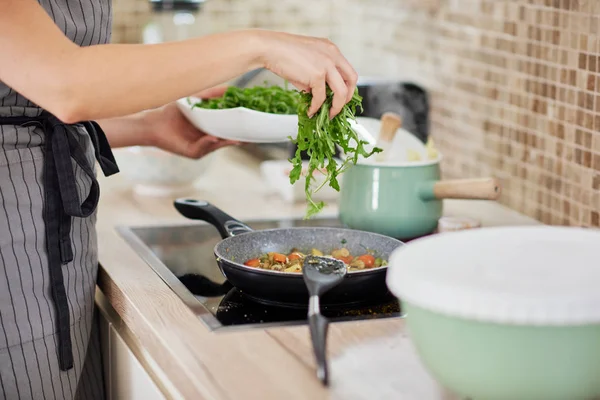
This beginner-friendly guide explains how to reheat food safely and practically without a microwave. It covers the main methods, how to warm food up at work without a microwave, and what to do if you do not have access to an oven or stove. The advice is based on common kitchen practices used in both home and professional cooking environments to help ensure food is heated evenly and safely.
Why Safe Reheating Matters
Food safety plays a key role when learning how to reheat food without a microwave, as proper reheating is about more than just warming leftovers.
Reheating food is not just about making it warm. It is also about ensuring it is safe to eat.
Leftovers should be reheated until they are hot all the way through. This is especially important for rice, meat, poultry, seafood, soups, stews, sauces, pasta dishes and takeaway leftovers. A warm outside is not enough if the centre is still cool.
Food can become unsafe if it has been left out for too long, cooled too slowly or stored incorrectly. Even when following how to reheat food without a microwave, proper storage remains essential for safe results.
It is best practice to reheat only the portion you plan to eat. If you cook in batches, divide food into smaller containers before storing. Smaller portions heat faster and more evenly, which supports safer results when learning how to reheat food without a microwave.
If food smells unusual, looks off, has been left at room temperature for several hours, or you are unsure how it was stored, it is safest to avoid eating it. Reheating cannot always make unsafe food safe again.
Quick Checks Before You Reheat
Before deciding on how to reheat food without a microwave, it is important to carry out a few simple safety checks.
First, confirm whether the food was stored correctly. Anything requiring refrigeration should have been cooled quickly and kept chilled.
Second, consider portion size. Large portions of rice, pasta bake, stew or casserole can heat unevenly. Breaking food into smaller portions helps ensure even reheating when following how to reheat food without a microwave.
Third, identify whether the food needs moisture or dry heat. Rice, pasta, mash and meat often benefit from added moisture such as water, stock, milk, gravy or sauce. By contrast, pizza, chips, pastries and fried foods generally reheat better using dry heat methods.
Choosing the right equipment is also important. Containers should only be used according to manufacturer instructions and must not be placed in ovens, air fryers or hot pans unless they are clearly heat-safe.
When considering can you reheat food in an air fryer, the answer is yes for many foods, particularly crispy items like chips, pizza and fried snacks, provided they are reheated evenly and safely.
When asking can you reheat food in a slow cooker, it is generally not recommended for reheating leftovers, as slow cookers heat gradually and may keep food in unsafe temperature ranges for too long unless the food is already piping hot.
Practical Ways to Reheat Without a Microwave
When learning how to reheat food without a microwave, it is important to understand that there is no single method that works best for every type of food. The right option depends on the food itself and the equipment available.
If you are wondering how to reheat food without a microwave or oven, or even how to reheat food without a microwave or stove, some of the methods below can still help, depending on what equipment you have access to.
Below are some of the most practical and reliable reheating methods.
The Steaming Method
The steaming method is one of the gentlest ways of how to reheat food without a microwave. It uses moist heat, which helps prevent food from drying out during reheating.
In practice, it works particularly well for rice, dumplings, vegetables, bao buns, fish, chicken pieces and other soft leftovers. It is also useful for foods that can become tough when exposed to direct heat.
To steam food, add a small amount of water to a pan and bring it to a gentle simmer. Place the food in a heatproof bowl, plate or insert above the water. Cover with a lid and heat until the food is hot throughout.
For rice, loosen the grains first and add a few drops of water if needed. For vegetables, keep the reheating time short so they do not become mushy. For dumplings or buns, steaming is often the most effective way to restore their soft texture.
Be careful when removing the lid, as escaping steam can cause burns.
Stovetop
The stovetop is one of the easiest and most dependable methods for how to reheat food without a microwave. It is particularly suitable for meals that contain liquid, sauce or moisture.
Use it for soup, stew, curry, chilli, beans, lentils, pasta sauce, gravy, porridge and other saucy leftovers. Place the food in a saucepan, add a splash of water, stock or sauce if needed, and heat gently.
Stir regularly so the food warms evenly and does not stick. This is especially important for thick dishes such as curry, chilli and pasta sauce. Excessive heat can scorch the bottom before the centre becomes hot.
For pasta with sauce, add a little water or extra sauce to loosen it. For mashed potatoes, add milk, butter or water and stir until smooth and piping hot.

If you want to know how to reheat food without a microwave in a typical kitchen, the stovetop is often the simplest and most reliable option.
Skillet
A skillet or frying pan is another excellent method for how to reheat food without a microwave, especially when texture matters. It provides direct heat and can help restore crispness that is often lost during storage.
Use a skillet for pizza, fried rice, noodles, flatbreads, tortillas, pancakes, cooked potatoes, roasted vegetables, quesadillas and sliced meats.
For pizza, place the slice in a dry skillet over medium-low heat and cover with a lid for a few minutes. This helps the base become crisp while the topping warms through. If the cheese needs additional heat, add a few drops of water to the side of the pan—not directly onto the pizza—and cover briefly.
For fried rice or noodles, add a small amount of oil or water and stir frequently. Break up any clumps so heat can reach every part of the food. For sliced meat, adding a little sauce, stock or gravy can help prevent dryness.
Based on practical cooking experience, the skillet method is often one of the best answers to how to reheat food without a microwave when you want leftovers to retain their texture and taste closer to freshly cooked food.
Oven or Toaster Oven
An oven or toaster oven is one of the most reliable methods for how to reheat food without a microwave, particularly for baked, crispy or larger foods.
Use it for pizza, pies, pastries, lasagne, pasta bake, casseroles, roasted vegetables, breaded chicken, garlic bread and oven-style takeaway leftovers.
Preheat the oven before reheating. Place the food in an oven-safe dish or tray. Cover with foil if you want to retain moisture, especially when reheating lasagne, casseroles and pasta bakes. Leave the food uncovered if maintaining crispness is the priority.
A toaster oven is especially useful for one or two portions. It heats more quickly than a full-sized oven and can be practical in small kitchens, offices or student accommodation.
If you need to know how to reheat food without a microwave or are looking for how to warm up food without a microwave while maintaining texture, an oven or toaster oven is often one of the best choices.
Air Fryer
Many people researching how to reheat food without a microwave ask, can you reheat food in an air fryer? Yes, an air fryer can reheat many foods successfully, especially foods that are meant to stay crisp.
An air fryer circulates hot air around the food, making it particularly effective for chips, wedges, pizza, fried chicken, pastries, samosas, spring rolls, breaded foods and roasted vegetables.
Place food in a single layer and avoid overcrowding the basket. Use a moderate temperature and check the food regularly. Shake or turn it halfway through where needed to encourage even reheating.
From practical experience, an air fryer can restore crispness to chips more effectively than a microwave. It can also crisp the base of pizza quickly. For fried chicken or breaded foods, it helps improve the exterior texture, although the centre still needs to be fully heated before serving.
Air fryers are not suitable for soups, gravy, loose sauces or very wet foods. For those, a saucepan remains the better option.
Steamer Basket
A steamer basket is another effective option for how to reheat food without a microwave, particularly when you want to keep food soft and moist.
It sits above simmering water and allows steam to heat food gently. This method works well for rice, dumplings, bao buns, vegetables, fish and other soft leftovers.
Add water to a saucepan, place the steamer basket above it, add the food and cover with a lid. The food should not come into direct contact with the water.
For sticky foods such as dumplings, line the basket with baking paper or cabbage leaves if needed, while still allowing steam to circulate. For rice, loosen the grains first and sprinkle over a small amount of water before steaming.
A steamer basket is particularly useful when learning how to warm up food without a microwave while preserving moisture and texture.
Hot Water Bath
A hot water bath is a gentle yet effective method for how to reheat food without a microwave, especially for delicate foods that may dry out or overcook with direct heat.
It works well for sauces, cooked meat in sauce, mashed potatoes, meal-prep portions, vacuum-sealed food and other delicate leftovers. However, it is not suitable for loose food placed in ordinary plastic bags.
To use this method, heat water in a pan or heatproof container. Place the sealed, heat-safe food container or food-safe bag into the hot water and allow it to warm gradually. Turn it occasionally if needed. The food should be hot throughout before serving.
This method is slower than using a pan or oven, but it is gentle and practical for small portions where direct heat may be too harsh.
For people looking for how to reheat food without a microwave at work, a hot water bath can sometimes be a useful solution when access to cooking equipment is limited and a suitable heat-safe container is available.
Can You Reheat Food in a Slow Cooker?
Many people researching how to reheat food without a microwave ask: Can you reheat food in a slow cooker? In most everyday situations, it is not the best method.
Slow cookers are designed to cook food gradually over several hours. In practice, this slow warming process can mean cold leftovers spend too long at a lukewarm temperature before becoming properly hot.
If you need the best way to reheat food without a microwave for soup, curry, stew or chilli, the stovetop is usually a better choice. Heat the food in a saucepan, stir regularly and make sure it is hot throughout before serving.
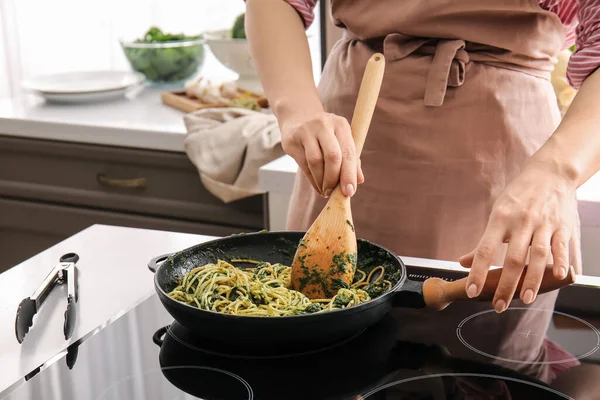
A slow cooker may be useful for keeping food warm after it has already been reheated safely, but it should not be your primary method for reheating cold leftovers.
How to Reheat Food Without a Microwave or Oven
If you need to know how to reheat food without a microwave or oven, several practical alternatives are available.
For soups, stews, curries, chilli and pasta sauces, use the stovetop. For pizza, fried rice, noodles, flatbreads and cooked potatoes, a skillet often gives the best results. For rice, vegetables, dumplings and other soft foods, steaming or a steamer basket works particularly well.
For crispy leftovers, an air fryer is often considered the best way to reheat food without a microwave, as it helps restore texture while heating food evenly. For sealed meal-prep portions, a hot water bath can also work well when the container is suitable.
If you do not have an oven, the stovetop and skillet can handle most everyday reheating needs effectively.
How to Reheat Food Without a Microwave or Stove
If you need to know how to reheat food without a microwave or stove, your options will depend on the equipment available.
An oven or toaster oven works well for baked foods, pizza, pastries, lasagne and roasted vegetables. An air fryer is excellent for crispy leftovers. An electric steamer can heat rice, dumplings and vegetables gently. A hot water bath can warm suitable sealed portions without exposing them to direct heat.
If you have no cooking appliance available, an insulated food flask is often the most practical solution. Heat the food properly at home, then transfer it to a preheated food flask so it stays hot until lunchtime. This method works particularly well for soup, stew, curry, chilli and dhal.
You can also choose meals that do not require reheating, such as wraps, sandwiches, pasta salad, couscous, boiled eggs, cold chicken salad, fruit, yoghurt and snack boxes.
So, how do you heat up food without a microwave or stove? Depending on what is available, use an oven, toaster oven, air fryer, electric steamer, hot water bath or insulated food flask. If none of these options are available, choosing safe cold meals is often the most practical solution.
How to Reheat Food Without a Microwave at Work
When considering how to reheat food without a microwave at work, the best approach depends on the facilities your workplace provides.
If there is access to a kettle, you may be able to use hot water for instant-style foods or create a hot water bath for small heat-safe containers. If a toaster oven or air fryer is available, small portions can often be reheated effectively, provided workplace rules allow their use.
From practical experience, a food flask is often one of the simplest and most reliable solutions. Heat the food at home until it is piping hot. Fill the flask with boiling water for a few minutes to preheat it, empty the water, then add the hot food and close the lid securely.
This method works particularly well for soups, stews, curries, chilli and similar meals. While it is not suitable for crispy foods, it is highly practical for work lunches.
If reheating is not possible at work, pack meals that are enjoyable cold. Salads, wraps, sandwiches, pasta salads and snack boxes are often easier and safer than trying to improvise reheating methods.
Avoid unsafe shortcuts such as placing food on radiators, heaters or machinery. These methods do not heat food evenly and may create food safety risks.
Microwave-Free Heating: Food Type, Microwave Alternative & Tips
Understanding how to reheat food without a microwave is useful when you want better texture, improved taste, or simply do not have access to a microwave. The right method depends on the type of food and how it is stored.
| Food Type | Microwave Alternative | Tips |
| Soup | Stovetop | Stir often and heat until hot throughout. |
| Curry or stew | Stovetop | Add water if thick and stir regularly. |
| Rice | Steamer basket or covered pan | Loosen grains and add a little water. |
| Pasta with sauce | Stovetop | Add extra sauce or water. |
| Pasta bake | Oven or toaster oven | Cover with foil first. |
| Pizza | Skillet, oven or air fryer | Use dry heat for a crisp base. |
| Chips or wedges | Air fryer or oven | Spread in one layer. |
| Fried chicken | Air fryer or oven | Ensure the centre is fully hot. |
| Roasted vegetables | Oven, skillet or air fryer | Dry heat gives better texture. |
| Dumplings or buns | Steamer basket | Steam gently until soft and hot. |
| Cooked meat slices | Skillet or low oven | Add gravy, stock or sauce. |
| Fish | Steamer or low oven | Use gentle heat. |
| Mash | Stovetop or hot water bath | Add milk, butter or water. |
| Pastries | Oven, toaster oven or air fryer | Avoid steam if you want crispness. |
Best Method by Food Texture
If you are learning how to reheat food without a microwave, it helps to choose the method based on texture.
If the food is liquid or saucy, use the stovetop. Soups, curries, stews, chilli and sauces heat evenly in a pan when stirred regularly.
If the food is crispy, use dry heat. Pizza, chips, pastries, fried chicken and roasted vegetables usually taste better when reheated in an oven, skillet or air fryer.
If the food is soft and moist, use steam. Rice, dumplings, buns and vegetables often reheat better with a steamer basket or covered pan.

If the food is delicate, use gentle heat. Fish, mash and sealed portions may perform better with steam, a low oven or a hot water bath.
If the food is dense, allow enough time for heat to reach the centre. Lasagne, casseroles and pies require slower, more even heating.
Common Reheating Mistakes to Avoid
When learning how to reheat food without a microwave, one common mistake is using heat that is too high. This can burn the outside of the food while the inside remains cold.
Another mistake is not stirring food that requires it. Soups, stews, sauces, pasta and rice dishes can develop cold spots if they are not moved around during reheating.
People also often forget to add moisture. Rice, pasta, mash and meat can dry out quickly if reheated without a little water, stock or steam.
Overcrowding is another issue when learning how to reheat food without a microwave. Air fryers, frying pans and oven trays work better when food is spread out evenly.
The most important mistake is reheating food that has not been stored safely. Even when following how to reheat food without a microwave, unsafe storage can make food unsafe to eat.
Why This Skill Matters
Understanding how to reheat food without a microwave is a practical life skill that is useful at home, at work and in shared kitchens. It supports better food hygiene and more confident cooking.
Learning how to reheat food without a microwave also helps you adapt to different kitchen environments where appliances may not be available or convenient.
Dishcover Academy focuses on practical food safety education and real-world cooking skills. Knowing how to reheat food without a microwave helps reduce food waste, improve meal quality and promote safer food handling in everyday life.
Conclusion
There are many safe methods for how to reheat food without a microwave depending on the type of food and equipment available.
Use the hob for soups and saucy meals, a frying pan for pizza and fried rice, an oven or toaster oven for baked foods, an air fryer for crispy leftovers, a steamer basket for rice and dumplings, and a hot water bath for suitable sealed portions.
If you are learning how to reheat food without a microwave, you can also use alternatives like an oven, air fryer, steamer or stovetop depending on your situation.
The key principle in how to reheat food without a microwave is simple: food must be heated evenly and be hot all the way through.
With the right method, how to reheat food without a microwave becomes safe, practical and effective in any kitchen setup.